

By Dayo Johnson, Rotimi Ojomoyela, James Ogunnnaike & Adeola Badru
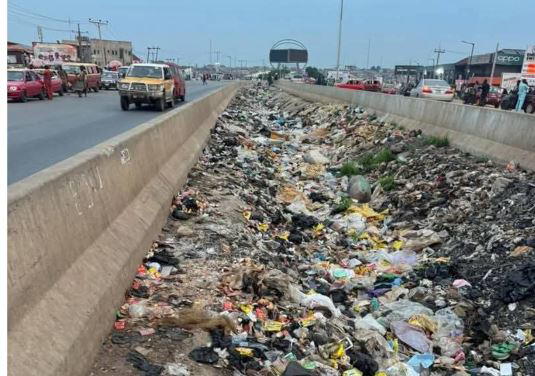
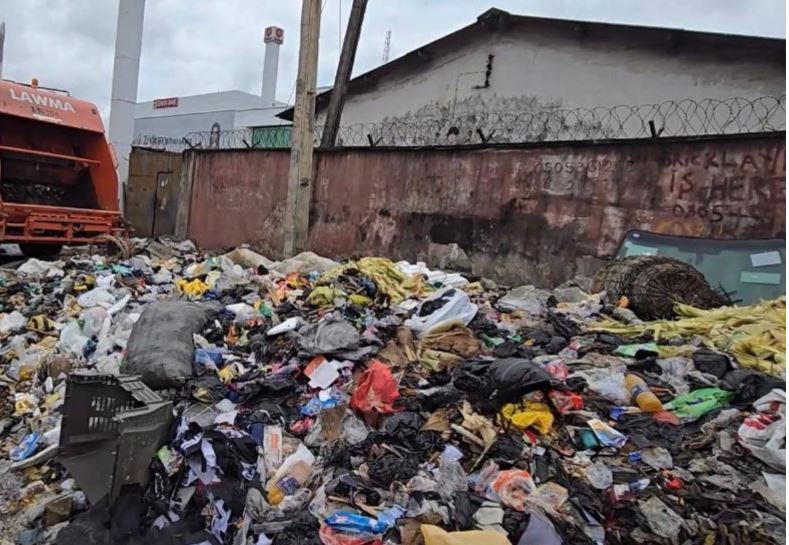
Across the South-West, major roads have been invaded by refuse heaps. The dumps of waste have gradually become common sites. Here is a panoramic review of the situation.
Read Also: Insecurity: ‘He’s done his bit,’ Adeboye defends Tinubu
In Ondo
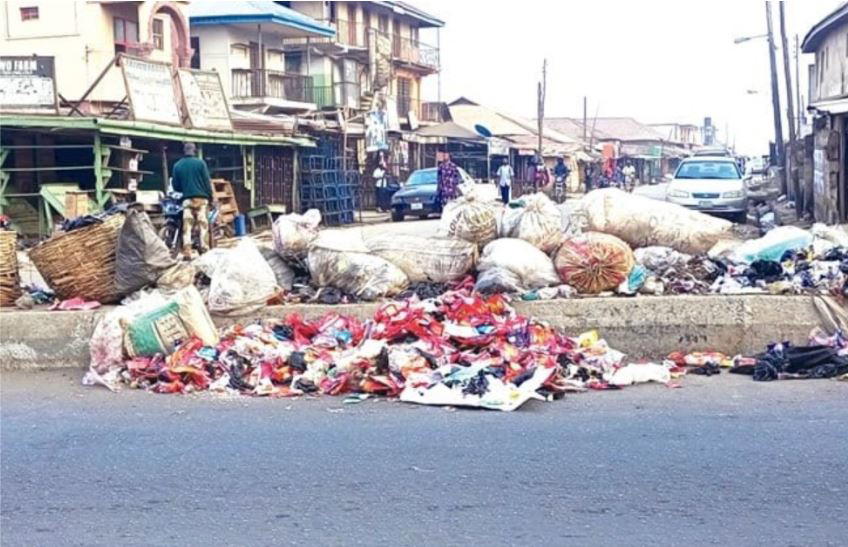
Major streets in Akure, Ondo State capital, are under siege from mountains of refuse, with residents battling unbearable stench, blocked drainage and rising fears of disease outbreaks.
The worst-hit areas are Arakale, Ijoka, Oke Aro, Aule, Orita Obele and Odopetu Market behind the popular commercial car park on Arakale Road. In these locations, heaps of garbage line both major roads and inner streets. Stagnant wastewater and foul odours have become part of daily life for traders, commuters and households.
What is driving the crisis
Findings show the situation is fueled by weak enforcement of environmental regulations, inadequate waste infrastructure, insufficient evacuation trucks and a growing reliance on informal disposal methods.
Many households still resort to open dumping, roadside disposal, burning or burying waste within residential compounds instead of subscribing to approved collection services.
In markets like Odopetu, traders have blocked canals with waste and set up stalls directly in front of refuse heaps.
Government response and gaps
To improve sanitation, the state government enforces a monthly environmental sanitation exercise on the last Saturday of every month, between 7 a.m. and 10 a.m. Officials of the Ministry of Environment and the Ondo State Waste Management Authority, OSWMA, are deployed to monitor compliance and sanction offenders.
However, investigations show the monthly exercise has not addressed waste generated daily by thousands of households, markets and businesses. Drains cleared during the exercise are often re-clogged because evacuated refuse sometimes remains on roadsides for days before collection trucks arrive.
Private waste operators now complement government in estates, Government Reservation Areas and high-income neighbourhoods where residents can afford regular charges. But densely populated communities continue to grapple with irregular collection and indiscriminate dumping.
Officials speak
Commissioner for Environment, Dr. Tob Loko, said the government runs a zero-tolerance policy for unwholesome practices. He urged residents to key into Governor Lucky Aiyedatiwa’s OUR EASE Agenda, which promotes a clean, healthy and disease-free environment.
Under the “Polluter Pays” principle, households and businesses are expected to pay for waste services. Revenue is meant to fund evacuation, truck maintenance and service delivery.
OSWMA Chairman, Mrs. Olayinka Alabi, described the Odopetu situation as unfortunate: “They generated the waste, they must take responsibility by paying.
“Other residents pay for waste disposal so the traders too must do the needful,” she said, adding that access to the blocked canal remains a challenge.
Residents and experts react
Trader Deji Adeyemi said: “The last government truck that came to our area was months ago. Now, I pay wheelbarrow pushers to carry the waste away. But honestly, I do not know where they dump it.”
Environmental expert Bukola Ojo urged government to prioritise evacuation of accumulated refuse, strengthen supervision of private operators, increase OSWMA funding, repair trucks, expand coverage and improve disposal infrastructure.
He also recommended stronger public enlightenment, recycling initiatives and stricter enforcement.
Despite OSWMA measures, visible refuse heaps remain common across many parts of the state.
In Ekiti
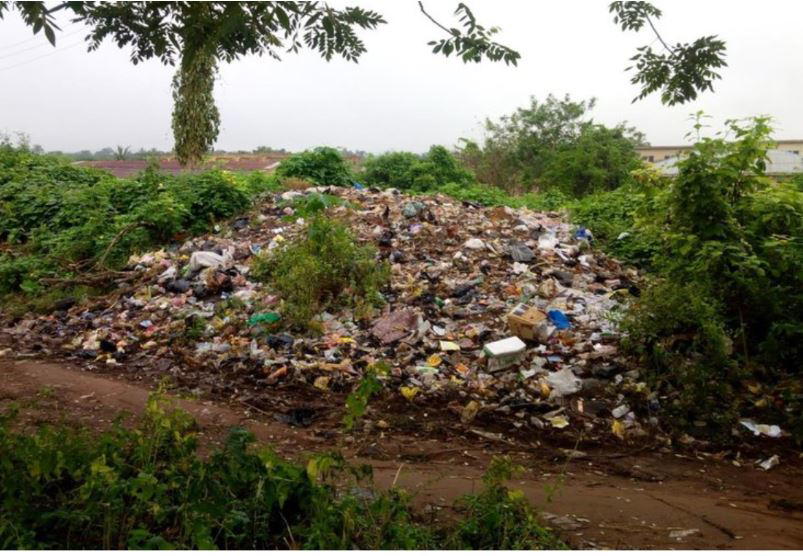
In the case of Ekiti State, there are three major dump sites located at Ilokun, Shasha and Iyin-Ekiti, with each occupying no less than 23 hectares of land.
Speaking with some residents of Ilokun, Musa Sule, who has been living in the area for more than five years, lamented the offensive odour from the dump site. He said the smell often make the younger ones to fall ill occasionally.
“The smell coming from that place is unpalatable. We the older one are somehow immune to it. But our younger ones are falling ill often.
“We want the state government to address this. If they can’t move it, they should devise a stronger method to treat it so that the smell won’t be affecting us here again.”
Another resident, Amina Abubakar said the smell has become the normal air they breathe, adding that it became difficult to differentiate between odour and attractive scent.
“I don’t even know what to call it again, because this is the air we breathe. Our nostrils are so blocked that we can’t differentiate between odour and perfume. May Allah help us.”
Speaking with Vanguard, former Director-General of the Ekiti State Waste Management Agency, Olasunkanmi Onipede, said authorities have put in place adequate measures to safeguard public health and the environment despite the increasing number of residential developments around the dump sites.
Onipede disclosed that Ekiti State currently operates three major dumpsites located in Iyin, Shasha and Ilokun, with each occupying no less than 23 hectares of land.
According to him, the government has continued to invest in infrastructure and equipment to ensure effective waste management and prevent environmental hazards.
Onipede said: “It is important that we understand the dumpsite has been there for long. Even before the other developments around the area, the location had already been designated as a residential area. Ideally, there should not be residential communities around a dumpsite.
“All the necessary health and environmental issues are being taken care of to ensure that these facilities do not negatively affect people’s lives.
“Basically, I think the state government is on top of its game in terms of managing and maintaining the dumpsites. Before now, we used to experience occasional fire outbreaks, but fortunately, in the last few years, we have not had such incidents again.
“For now, there are no plans to relocate any of the dumpsites. I believe the best approach is to ensure proper joint management of the dumpsites involving the Ministry of Environment, the State Waste Management Authority, and the resident.
“The bins have been strategically distributed across different parts of the state to improve waste collection.
“On open defecation, there is an ongoing public awareness campaign on the issue, and there is also massive enforcement to discourage the practice.”
Oyo State
Despite repeated government campaigns against indiscriminate waste disposal and open defecation, several parts of Ibadan, the Oyo State capital, continue to grapple with overflowing refuse dumps and poor sanitation practices.
The situation has raised growing concerns among residents, environmental experts and health practitioners over the implications for public health and the environment.
Across major roads, markets and residential communities such as Bodija, Ojoo, Beere, Challenge, Gate, Dugbe, Apata and Orita-Challenge, refuse heaps remain a common sight.
During the rainy season, these dumps often block drainage channels, resulting in flooding, offensive odours and increased breeding grounds for disease-carrying insects and rodents.
Reasons for dumpsites and open defecation
Several factors have contributed to the persistence of refuse dumps and open defecation in Ibadan.
Foremost is the rapid population growth of the city, which has significantly increased the volume of waste generated daily. Waste collection infrastructure has struggled to keep pace with this expansion.
Economic hardship also played a role, as some households failed to subscribe to approved waste collection services due to financial constraints, opting instead to dump refuse in unauthorised locations.
Poor public attitude towards environmental sanitation remained another challenge. Many residents continued to dispose of refuse along roadsides, drainage channels and open spaces despite repeated government warnings.
In addition, inadequate public toilet facilities, especially in markets, motor parks and densely populated communities, have encouraged the practice of open defecation.
An environmental advocate, Dr. Kola Animashaun, noted that the challenge would continue unless both government and residents changed their approach.
“Ibadan’s growing population means waste generation will continue to rise. The solution lies in stronger waste sorting, recycling initiatives, public education and consistent enforcement of environmental laws,“ he said.
He also pointed to insufficient public awareness and poor compliance with sanitation regulations as factors sustaining the problem.
Why government has not completely removed dumps
The Oyo State Government acknowledged the existence of refuse accumulation in parts of Ibadan, but maintained that the challenge could not be solved through government intervention alone.
According to the Ministry of Environment and Natural Resources Commissioner, Mr. Ademola Aderinto, the current administration has introduced reforms aimed at improving waste collection, including the accreditation of private waste collectors, rehabilitation of landfill facilities and restructuring of waste management across the state.
The commissioner said: “The issue of indiscriminate waste disposal cannot be solved by government alone. We have strengthened our waste management framework by engaging licensed Private Sector Participants to improve refuse evacuation across Ibadan.“
“However, residents also have a responsibility to patronise approved waste collectors and desist from dumping refuse in unauthorised locations.”
He added: “Our ministry has intensified enforcement through the Environmental Tribunal, while we continue to rehabilitate waste disposal facilities and improve sanitation infrastructure across the state.”
Government officials argued that decades of poor waste management practices, increasing waste generation and limited disposal infrastructure had contributed to the backlog.
The government also stated that residents who failed to register with approved waste collectors or dumped refuse indiscriminately undermined ongoing clean-up efforts.
Agency responsible for waste removal
Waste evacuation and environmental sanitation in Oyo State fall under the supervision of the Oyo State Ministry of Environment and Natural Resources, working alongside the Oyo State Waste Management Authority (OYOWMA) and accredited Private Sector Participants (PSPs).
The Chairman OYOWMA, Abdul-lateef Idowu Oyelere explained: “We evacuate thousands of tonnes of waste from different parts of Ibadan, but illegal dumping continues to undermine our efforts.
“Some residents still dispose of refuse in drainage channels and open spaces instead of using approved collection services.”
He appealed to residents, saying: “We appeal to every household to register with accredited waste collectors because sustainable waste management depends on the cooperation of government and residents alike.”
Officials have also disclosed that government is rehabilitating existing dumpsites, developing sanitary landfill systems and expanding waste collection operations across the metropolis.
Environmental and health effects
Health experts warned that indiscriminate refuse disposal and open defecation presented serious environmental and public health risks.
An environmental health expert, Kehinde Adio said: “Overflowing refuse dumps create ideal breeding grounds for mosquitoes, flies and rodents, increasing the risk of diseases such as cholera, typhoid, diarrhoea and malaria.
“During the rainy season, blocked drainage channels also contribute significantly to flooding.”
The expert added: “Poor waste management is not merely an environmental concern; it is a serious public health issue that requires behavioural change alongside stronger government enforcement.”
A public health physician, Mr. Fisayo Ayodele also warned: “Open defecation contaminates soil and water sources with harmful microorganisms.“
“Children are particularly vulnerable because contaminated water and food can easily transmit diarrhoeal diseases, intestinal infections and other preventable illnesses.”
The physician added: “Improving access to sanitation facilities and encouraging proper hygiene practices are among the most effective ways to reduce disease outbreaks.”
Government’s efforts to address the challenge
In recent months, the Oyo State Government has intensified enforcement against environmental offenders by prosecuting individuals caught dumping refuse illegally or engaging in open defecation.
The state has also announced plans to expand public toilet facilities, strengthen community-based waste management systems and improve landfill operations as part of its long-term environmental sustainability strategy.
Authorities have repeatedly appealed to residents to comply with environmental regulations by using approved waste collection services and maintaining proper sanitation.
A resident of Ibadan, Alhaji Adio, while acknowledging the government’s efforts, said: “We appreciate the government’s efforts, but refuse often stays for days before evacuation in some areas.“
“More collection points and regular evacuation schedules would greatly improve sanitation in our communities.”
He added: “People also need to stop dumping refuse indiscriminately. Government alone cannot keep the city clean if residents refuse to play their part.”
What Nigerians should know about open defecation and refuse dumps
Environmental sanitation is a shared responsibility between government and citizens.
Residents should understand that open defecation is not only unhygienic but also contributes significantly to the transmission of diseases.
Proper toilet use, regular handwashing and good hygiene practices remain essential in preventing outbreaks of water-borne diseases.
Similarly, indiscriminate refuse dumping degrades the environment, contributes to flooding and increases health risks.
Households are encouraged to register with approved waste collection providers, separate recyclable materials where possible and avoid disposing of refuse in drainage channels, road medians or open spaces.
Summing up the need for collective action, the environmental advocate said: “Every resident must understand that keeping the environment clean is a civic responsibility.“
“Proper waste disposal and ending open defecation will protect public health and preserve the environment for future generations.”
In Ogun State
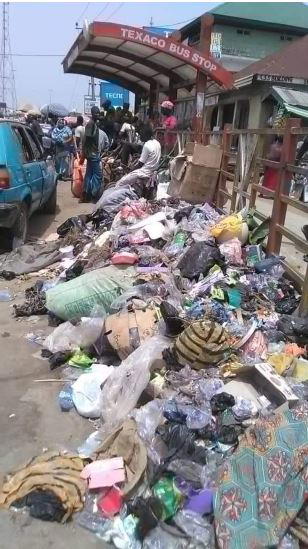
Despite sustained efforts by the Ogun State government to eradicate open defecation and improve environmental sanitation, the practice remains in some communities across the state, raising concerns over public health and environmental sustainability.
Investigations by Vanguard revealed that major transport corridors, traditional settlements and several rural communities continue to struggle with poor sanitation due to inadequate toilet facilities, rapid urbanisation, poverty and limited access to potable water.
Along the Lagos-Ibadan Expressway, particularly in Kara, Isheri, Warewa and Magboro, open defecation remains common. The situation is largely attributed to the proliferation of informal settlements, transient populations and the absence of public toilet facilities.
Similar scenes were observed around major motor parks, including Berger and Sabo, where commuters lamented the lack of functional public conveniences.
In Abeokuta, residents of old communities such as Sabo, Abule-Otun, Ago-Ika, Totoro, Sokori, Ago-Owu, Sapon and Oke-Itoku continue to face sanitation challenges. Many ancestral homes in these areas were built without modern toilet facilities, forcing some residents to resort to nearby bushes, riverbanks and other open spaces.
The challenge is particularly pronounced in rocky communities such as Oke-Itoku and Oke-Ijemo, where the terrain makes the construction of conventional septic tanks and soakaways difficult.
In response, the Ogun State Government, through the Rural Water Supply and Sanitation Agency (RUWATSAN), in collaboration with the United Nations Children’s Fund (UNICEF), has intensified implementation of its “One House, One Toilet” campaign.
The initiative, which commenced in Ijebu North Local Government Area, is expected to cover 167 communities across Mamu, Omen, Ojowo-Japara and Osun wards to promote household toilet ownership and improved hygiene practices.
According to the agency, the campaign seeks to encourage the use of sanitary toilets and good hygiene practices in communities across Ogun State.
The Commissioner for Environment, Mr. Ola Oresanya, also directed petrol stations, eateries, markets and other public facilities to provide functional toilets for public use.
“The directive became necessary to promote public hygiene and sanitation in public places and discourage residents from defecating in open spaces whenever they are in transit or outside their homes,” Oresanya said.
He disclosed that the state had embarked on the construction of 200 public toilets across the 20 local government areas, with about 89 already completed.
“All the 20 local government councils will have a minimum of 10 public toilets each, while urban councils will have at least 15,” he said.
The commissioner further stated that organisers of social events are now required to provide mobile toilet facilities at event venues, warning that Environmental Sanitation Officers would enforce compliance across the state.
Despite these interventions, environmental experts attributed the continued prevalence of open defecation to rapid population growth, poor urban planning, poverty, inadequate sanitation infrastructure and deeply entrenched behavioural attitudes.
They noted that many low-income communities still lack access to affordable toilet facilities, while public sanitation infrastructure remains insufficient to meet growing demand.
Illegal dumpsites still visible
Beyond open defecation, indiscriminate waste disposal also remains a major environmental concern.
Although the state government has intensified refuse evacuation across major towns, illegal dumpsites are still visible in parts of Abeokuta.
A Vanguard visit to the Lafenwa-Adehun-Rounda Road corridor revealed heaps of refuse in front of Lafenwa High School, opposite Premier Grammar School and near Catholic Comprehensive High School, Onikoko.
Residents blamed the persistent dumpsites on indiscriminate waste disposal, poor compliance with waste management regulations and the activities of illegal refuse collectors.
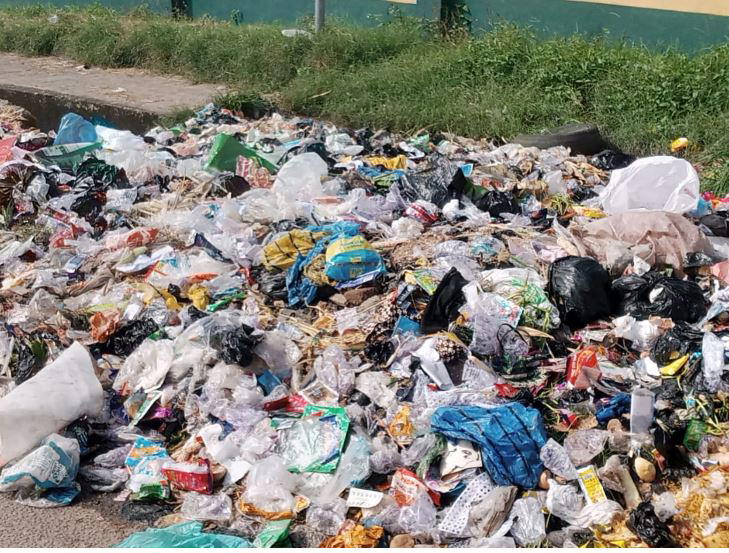
The Ogun State Waste Management Authority (OGWAMA) has intensified enforcement against indiscriminate refuse dumping across the state.
The agency recently arrested 128 residents and sanctioned 20 industries for illegally dumping refuse on highways, road medians, canals and other unauthorised locations.
Several offenders have also been prosecuted before mobile and environmental courts.
In one instance, a Chief Magistrate’s Court sitting in Isabo, Abeokuta, sentenced eight offenders to community service for dumping refuse on public roads and warned that repeat offenders would face imprisonment.
Earlier, another magistrate’s court convicted 14 offenders, sentencing each to 14 days’ imprisonment with an option of a ₦10,000 fine on each count.
OGWAMA’s enforcement operations have covered major black spots in Abeokuta, Sango-Ota, Ifo, Sagamu, Mowe-Ibafo and Ijebu-Ode.
The agency warned that violators risk prosecution under the Public Health Law of Ogun State (2006) and the OGWAMA Law (2020), both of which prescribe fines, community service and imprisonment for illegal waste disposal.
Speaking on the state’s environmental policies, Oresanya explained that the Ministry of Environment serves as the policy-making arm of government, while agencies such as the Ogun State Environmental Protection Agency (OGEPA), OGWAMA, the Parks and Gardens Agency and the Safety Commission are responsible for implementation.
“Our responsibility is to formulate policies that enable these agencies to operate effectively and optimally,” he said.
According to him, Ogun’s waste management policy is anchored on private-sector participation, with Community Development Associations (CDAs) integrated into the system to ensure efficient refuse collection at affordable rates.
He also highlighted the state’s Blue Box Programme, through which recyclable waste is collected directly from households. The programme, jointly implemented by the Ministry and OGWAMA, is complemented by community recycling depots where recyclable materials are sorted and processed.
“These policies strengthen the waste management system and complement routine street sweeping across the state. We also support OGWAMA in the proper disposal of waste at designated dump sites,” he said.
Oresanya added that the ministry regularly monitors waste generation and collection, identifies service gaps and collaborates with academic institutions to improve environmental management through research and innovation.
On the campaign against open defecation, the commissioner said the government had adopted a public-private partnership model in which government provides land while private investors construct and manage public toilets.
“Our target is to build 200 public toilets. So far, about 89 have been completed, while work is ongoing in different parts of the state,” he said.
He added that petrol stations, eateries and other public facilities are now mandated to provide functional toilets accessible to members of the public.
According to him, the policy has significantly strengthened the campaign against open defecation.
He disclosed that Ikenne Local Government Area had already been certified Open Defecation Free (ODF), while two or three additional local government areas had been nominated for certification.
“We believe they will soon attain the same status,” he said.
On sustainability, Oresanya stressed that the state’s environmental policies are backed by legislation to ensure continuity beyond any administration.
“Once policies are embedded in law, they outlive any particular administration. Governments may change, but the law remains, making these initiatives sustainable,” he said.
He also emphasised public participation and commercially viable partnerships with the private sector.
“We do not introduce any initiative without engaging the public because public ownership is essential to long-term success. Where necessary, government provides subsidies to ensure private-sector investments remain profitable.
“Ultimately, everyone benefits from a cleaner and healthier environment. It improves public health, enhances the quality of life and increases the value of homes and businesses. These are the principles guiding our efforts to ensure environmental sustainability in Ogun State.”
Public health experts warned that open defecation and indiscriminate refuse dumping expose residents to diseases such as cholera, typhoid fever, diarrhoea, dysentery and other sanitation-related infections.
They also noted that refuse-clogged drainage channels contribute significantly to flooding during the rainy season, while decomposing waste pollutes the environment, emits offensive odours and creates breeding grounds for flies, mosquitoes and rodents.
The experts urged residents to embrace proper waste disposal practices, patronise government-approved waste collectors and ensure that every household has access to sanitary toilet facilities, stressing that improved sanitation remains critical to safeguarding public health and achieving sustainable environmental development in Ogun State.
The post Refuse takes over roads in Ondo, Oyo, Ekiti, Ogun appeared first on Vanguard News.

 Premium TImes
 Daily Post
 Punch Nigeria
 This Day
 Vanguard Nigeria
 Business Day
 Channels TV
 Modern Ghana