

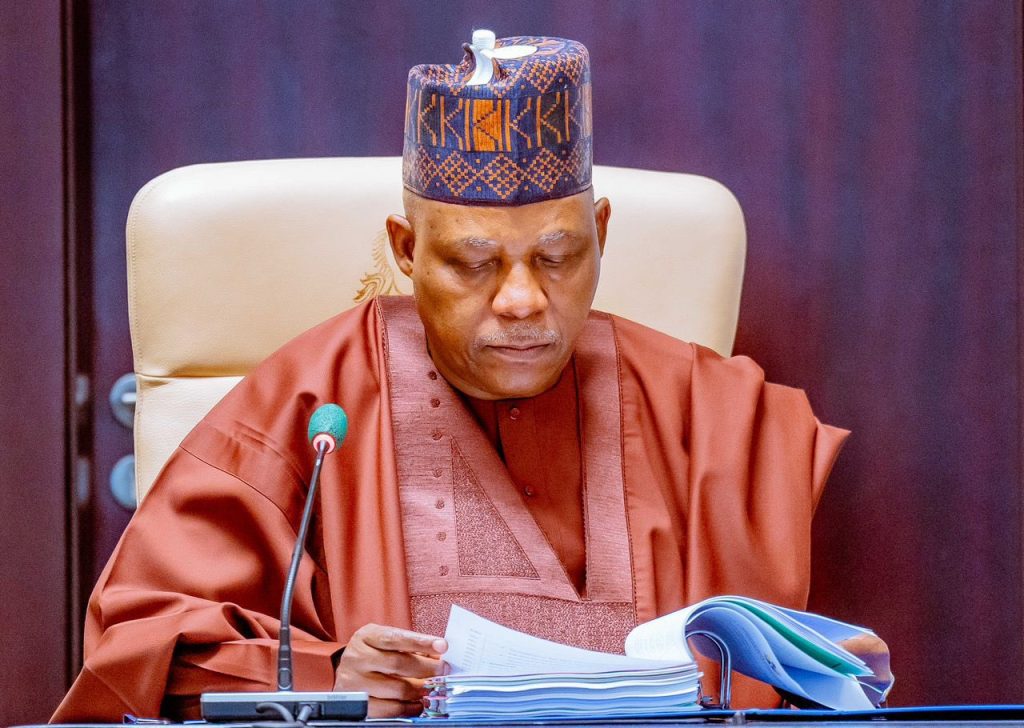
Vice President Kashim Shettima’s call on Nigerians to reject ethnic profiling, religious hatred, misinformation and retaliatory violence deserves the widest possible support. Speaking in Jos, Plateau State, at the 80th birthday celebration and public presentation of the autobiography of former Governor Jonah Jang, Shettima reminded Nigerians that “crime has no tribe, violence has no religion, and murder carries no mandate from any community.” No criminal, he argued, represents an entire ethnic or religious group. That message is timely as the nation inches toward another season of political campaigns from September.
Nigeria’s diversity is both its greatest strength and its greatest vulnerability. In a country of over 250 ethnic nationalities and multiple faiths, reckless ethnic trolling can quickly poison public discourse, inflame passions and trigger violence. Elections should be contests of ideas, competence and programmes. Too often, however, they descend into contests of ethnicity and religion, with politicians deliberately exploiting primordial loyalties to divide citizens and harvest votes.
Nigeria’s political, ethnic and religious elite bear heavy responsibility for this toxic culture. Rather than discourage prejudice, many have weaponised ethnic identity for selfish political gain, portraying opponents as enemies of particular regions or faiths. Such rhetoric deepens mistrust, weakens national cohesion and distracts attention from the real issues of governance, insecurity, unemAployment and poverty.
The Vice President’s own party, the APC, cannot escape scrutiny. During previous election cycles, some of its prominent supporters engaged in brazen ethnic profiling and divisive rhetoric. Many Nigerians expected firm sanctions. Instead, several individuals associated with such conduct later emerged in influential public positions, creating the impression that inflammatory behaviour attracted political rewards rather than consequences. Unless all political parties consistently discipline those who spread ethnic hatred, appeals against profiling will ring hollow.
The insecurity ravaging Benue, Plateau and neighbouring states has further complicated matters. Repeated attacks on rural communities, prolonged displacement of thousands of residents and the inability of security agencies to end the bloodshed have fuelled resentment and dangerous generalisations. While criminal responsibility should never be transferred to entire ethnic groups, the government cannot ignore the reality that persistent failure to stop massacres and restore displaced persons to their ancestral homes creates fertile ground for suspicion and ethnic branding. A child repeatedly beaten cannot be expected not to cry.
Reducing these tensions goes beyond speeches. The Federal Government must first decisively defeat armed groups terrorising communities and guarantee the safe return of displaced persons. Secondly, politicians, clerics and traditional rulers who incite ethnic hatred should face impartial legal consequences regardless of status or party affiliation. Thirdly, political parties should adopt and enforce binding codes against hate speech throughout the campaigns.
Vice President Shettima has sounded an important warning. But it must be matched by justice, security, accountability and equal protection for every Nigerian, irrespective of ethnicity or religion.
The post VP Shettima’s censure of ethnic profiling appeared first on Vanguard News.