

By Sola Ogundipe
It starts innocently. A name refuses to come. You walk into a room and forget why you’re there. Your phone is in your hand, yet you spend several minutes looking for it. An old friend’s face is familiar, but the name just won’t come. “It’s old age,” someone says.
For millions of people, especially as parents and relatives move into their 50s, 60s and 70s, such moments have become almost too ordinary to question. But scientists are beginning to see the ageing brain differently.
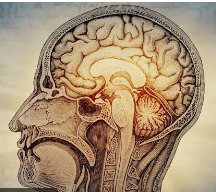
New research has found that the human brain undergoes a major biological shift between about 50 and 75. Deep inside the brain, some of the immune cells that have been there since early development begin to decline. They are increasingly replaced by cells with stronger inflammatory characteristics.
At the same time, cells that help maintain the brain’s protective barrier become less abundant, while the highly organised three-dimensional structure of DNA inside several types of brain cells begins to deteriorate.The changes are happening long before most people would think of themselves as elderly, and that is what makes the discovery particularly intriguing.
For Nigerians, 50 is often an age of peak responsibility rather than retreat. There are children in university, ageing parents to support, businesses to run, careers to manage and, increasingly, plans to remain economically active well into the 60s and 70s. Life may be moving faster than ever. Yet, underneath it all, the brain may already be undergoing a profound transformation.
Published in Science, the study could help explain why advancing age is the strongest known risk factor for Alzheimer’s disease and other neurodegenerative conditions. It doesn’t mean that turning 50 sets off dementia. Nor does it mean that every forgotten name is a warning sign.
But it does raise a question many families may want answered: when does ordinary forgetfulness stop being “old age”, and what exactly is happening inside the ageing brain?
For quite a number of people approaching middle age, as well as those caring for older relatives, this study offers a reason to pay closer attention to brain health. Growing older isn’t just about changes we can see in the body, the brain, too, undergoes profound biological changes, many of which scientists are only beginning to unravel.
The brain has specialised cells that protect nerve cells, clear away cellular debris and respond to injury or infection. These cells known as microglia play a vital role in keeping the brain’s internal environment healthy. But researchers have found that this cellular workforce changes considerably during midlife.
Between approximately ages 50 and 75, the population of microglia that originated during embryonic development declined sharply, at the same time, cells with molecular features resembling immune cells found in the bloodstream became more prominent. The replacement microglia-like cells also showed stronger inflammatory characteristics.
That finding challenges the long-standing assumption that the brain’s original immune cells remain its dominant defenders throughout a person’s life. It also raises questions about whether the changing immune environment contributes to chronic inflammation and makes the ageing brain more vulnerable to damage.
Bing Ren, one of the study’s corresponding authors, said microglia are essential for maintaining the brain. When their basic functions fail, toxic materials can accumulate, triggering inflammatory processes that may contribute to neurodegenerative diseases.
For the average person, it doesn’t mean that everyone over 50 will develop dementia, or that these changing cells automatically cause Alzheimer’s disease.
The discovery, rather, offers scientists a possible explanation for how the ageing brain may become more susceptible to damage.. The study identifies biological changes, it does not establish that those changes directly cause disease in every older person.
In many homes, forgetfulness in older people is readily dismissed as old age. An elderly father asks the same question several times, a mother forgets where she kept her belongings, an older relative struggles to recall a familiar name. Some forgetfulness is a normal part of ageing, but when memory problems persist, worsen or begin to interfere with everyday activities, they deserve medical attention.
The new research does not establish that the cellular changes identified are responsible for any individual’s symptoms. What it does is add to the growing scientific effort to understand the biological processes involved in neurodegenerative diseases.
For families, the practical lesson is straightforward: don’t automatically write off significant changes in an older person’s memory or behaviour as “old age.” A medical assessment can help identify possible causes and determine whether further investigation is necessary.
The scientists also observed a substantial decline in cell populations involved in maintaining the blood-brain barrier. This barrier serves as a protective filter between the bloodstream and brain tissue. It regulates the movement of substances into the brain and helps shield delicate neural structures from potentially harmful materials circulating in the blood. As people age, changes in the cells supporting this barrier may affect how well it functions.
The finding is particularly relevant in a country where older adults may also be dealing with hypertension, diabetes and other chronic health conditions. However, the study did not establish how those conditions influence the specific cellular changes observed. Neither did it examine a distinct population. The findings, therefore, point to an important area for further biological research.
Nathan Zemke, Director of Single-cell Genomics at the Center for Epigenomics at the University of California, San Diego, described the study as an important step towards understanding how ageing reshapes the human genome in brain cells. Still, the research remains focused on identifying biological changes. It does not establish a treatment, nor does it show that lifestyle changes can reverse the genome alterations observed.
Can you do anything to protect your brain?
While the study did not test specific lifestyle interventions or establish that any particular diet, supplement or exercise programme can prevent the cellular changes it identified, the findings offer an opportunity to revisit the established principles of maintaining good health as we age.
For middle-aged and older Nigerians, this includes paying attention to blood pressure, blood sugar, physical activity, sleep and other ongoing health needs. Regular medical check-ups can help identify conditions that require treatment. These measures shouldn’t be presented as a proven way to stop the particular brain changes described in the study. Rather, they’re part of preventive healthcare, which becomes increasingly important with advancing age.
For now, the study offers a different way of looking at ageing. Brain ageing isn’t necessarily a simple, steady decline. Between midlife and older age, several biological systems may change together, including immune cells, vascular support systems and the organisation of the genome.
As scientists work to understand what these changes mean, one point deserves emphasis: protecting brain health shouldn’t be a conversation that begins only after memory problems appear.
The post What happens to your brain after 50? appeared first on Vanguard News.