

TRENDING
Only state police bill transmitted to 36 states, N’Assembly clarifies • CBN cuts interest rate to 23% at MPC meeting • Trump at UN threatens ‘military might’ in Latin America • Lagos warns residents against adulterated palm oil • South African journalist detained in Djibouti released • Breaking: Babachir Lawal joins NDC three months after leaving ADC • Super El Niño threatens to push 8 million children into acute hunger across East and Southern Africa by early 2027 – Save the Children • Serikali yataka teknolojia mpya kuimarisha ulinzi wa faru nchini • Ethiopia, U.S. Agree to Deepen Peace and Economic Ties • Google ‌‌‍‌‍⁠⁠‌⁠‌‌‍‍⁠‌fined €403m over data violations • Iran’s Guards rejected US attempt to establish contact – Guards spokesman • Trump says deciding between deal or driving Iran ‘into hell’ • Fantasy buzz: Loss of Dart filters down to rest of Giants' skill-position players • Boise's Danielson says Western Michigan 'an undefeated football team' • Infantino opens door to FIFA reform after investment plan backlash • BusinessDay expands investment forum to Kenya linking African SMEs with global capital • We built the factory. We forgot the economy • How telecom is driving Nigeria’s economy • Liberia to Host African Parliamentary Leaders at 4th CoSPAL General Assembly Dec 2026 • ECOWAS Parliament Faces Funding Test As Ghana Demands Climate Action Beyond Rhetoric • Only state police bill transmitted to 36 states, N’Assembly clarifies • CBN cuts interest rate to 23% at MPC meeting • Trump at UN threatens ‘military might’ in Latin America • Lagos warns residents against adulterated palm oil • South African journalist detained in Djibouti released • Breaking: Babachir Lawal joins NDC three months after leaving ADC • Super El Niño threatens to push 8 million children into acute hunger across East and Southern Africa by early 2027 – Save the Children • Serikali yataka teknolojia mpya kuimarisha ulinzi wa faru nchini • Ethiopia, U.S. Agree to Deepen Peace and Economic Ties • Google ‌‌‍‌‍⁠⁠‌⁠‌‌‍‍⁠‌fined €403m over data violations • Iran’s Guards rejected US attempt to establish contact – Guards spokesman • Trump says deciding between deal or driving Iran ‘into hell’ • Fantasy buzz: Loss of Dart filters down to rest of Giants' skill-position players • Boise's Danielson says Western Michigan 'an undefeated football team' • Infantino opens door to FIFA reform after investment plan backlash • BusinessDay expands investment forum to Kenya linking African SMEs with global capital • We built the factory. We forgot the economy • How telecom is driving Nigeria’s economy • Liberia to Host African Parliamentary Leaders at 4th CoSPAL General Assembly Dec 2026 • ECOWAS Parliament Faces Funding Test As Ghana Demands Climate Action Beyond Rhetoric
Why Brazil speaks first at UN General Assembly: 5 things to know
Back to Home

Why Brazil speaks first at UN General Assembly: 5 things to know

Vanguard Nigeria about 2 hours 2 mins read
UN, Buhari

By Safiu Victoria

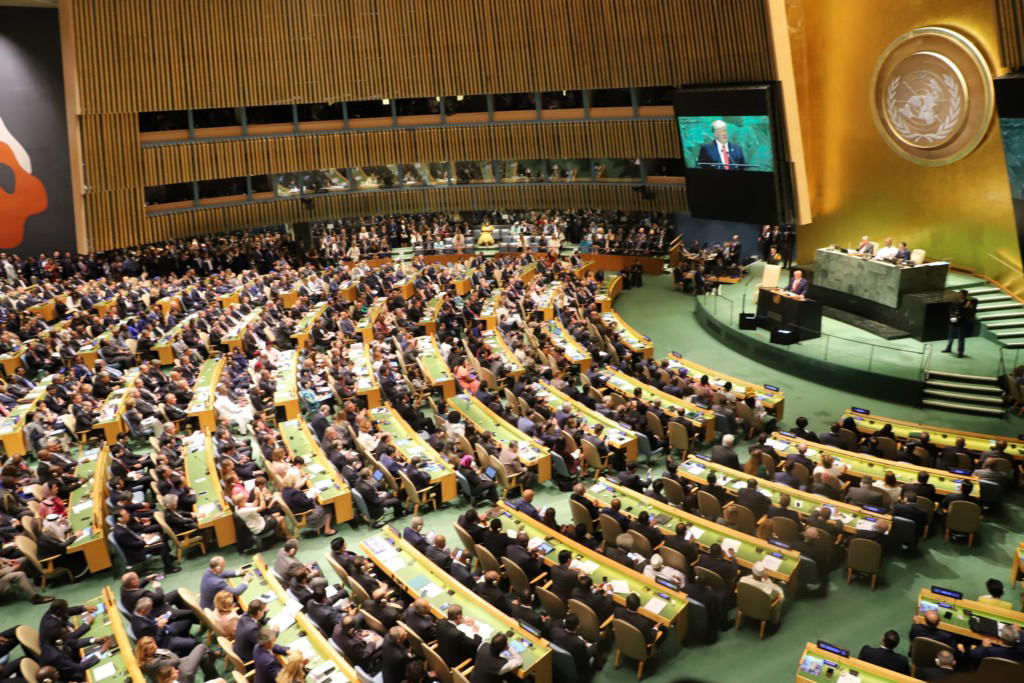
Every year, world leaders gather at the United Nations General Assembly in New York to discuss major global issues.

This year, the high-level debate begins on Tuesday, September 22. But one question often comes up: Why does Brazil speak first?

Here are five things to know about the tradition.

1. Why Brazil speaks first

Brazil has spoken first since 1947, and this has now become a tradition. According to the United Nations, during the organisation’s early years, no one ever wanted to be the first to speak, and Brazil always ended up volunteering to go first.

The host country, which is United States, always speaks second.

  1. A tradition, not a written rule

There is no UN rule stating that Brazil must always speak first. Instead, the position became an established practice over time.

3. How other countries speak

After the United States speaks, the order is set by a complex system that involves multiple factors. The heads of state usually speak first, followed by heads of government and then other government representatives, such as foreign ministers.

The United Nations says other considerations include geographical balance, the order in which the request to speak was made, and other factors.

4. How long a leader speaks

Speakers are asked to keep their statements to 15 minutes, but in practice a government official can speak as long as he or she likes.

5. Brazil’s opening speech attracts global attention

The General Debate gives countries an opportunity to address the international community about issues important to their governments.

With representatives from all 193 UN member states participating, Brazil’s opening position places its speech at the start of one of the world’s biggest annual diplomatic gatherings.

The post Why Brazil speaks first at UN General Assembly: 5 things to know appeared first on Vanguard News.

This article was sourced from an external publication.

Share this article
OneClick Africa Logo

Africa's premier digital hub for impactful news, entertainment, and business insights.

© 2026 OneClick Africa. All rights reserved.