

By Henry Ojelu
Africa’s renewed campaign for reparations over slavery and colonialism is facing fresh resistance from British politicians, with the UK’s right-wing Reform UK party proposing visa restrictions for citizens of countries seeking compensation from Britain.
The proposal has sparked criticism from African and Caribbean leaders at a time when the African Union, AU, is intensifying efforts to secure reparatory justice for the historical injustices of the transatlantic slave trade and colonial rule.
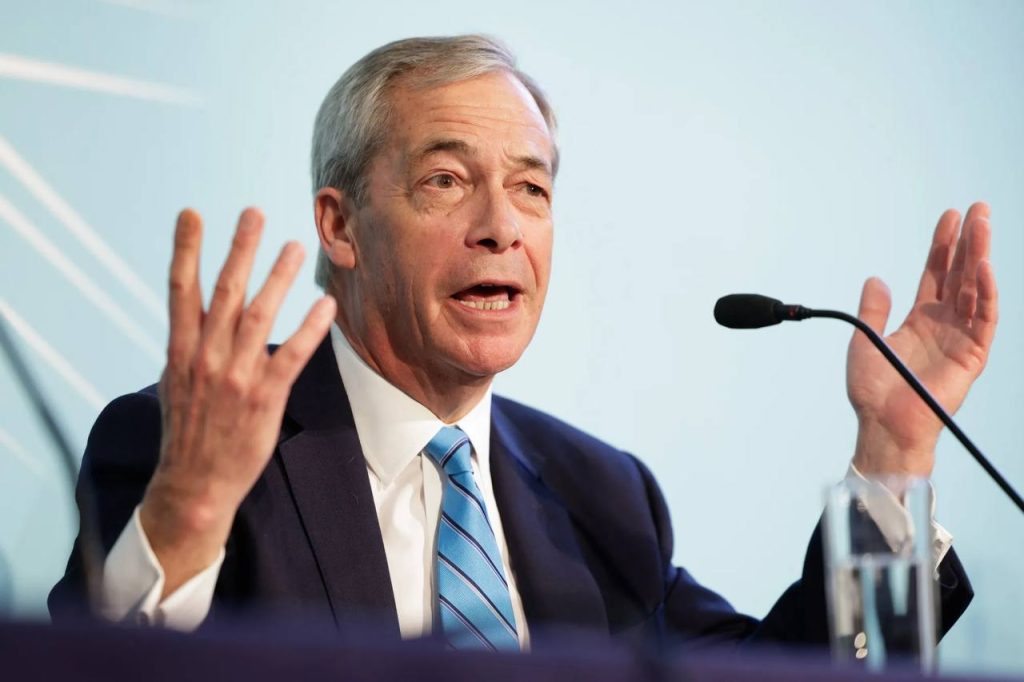
Reform UK leader Nigel Farage is backing a policy that would deny visas to citizens of countries demanding reparations from the British government for its role in slavery.
The party’s Home Affairs spokesperson, Zia Yusuf, described compensation demands as “insulting,” arguing that Britain should not be expected to pay for actions committed centuries ago.
According to Yusuf, Britain’s “bank is closed” to nations seeking financial compensation over historical grievances, a position that has generated backlash from advocates of reparatory justice across Africa and the Caribbean.
The development comes as African nations, including Nigeria and Ghana, push for greater accountability from former colonial powers and institutions that benefited from slavery and colonial exploitation.
The campaign gained further momentum after a United Nations resolution adopted on March 25 called on countries to engage in fair and inclusive dialogue on reparatory justice, including formal apologies, restitution and financial compensation.
At the continental level, the African Union has placed reparations at the centre of its agenda. Under its 2025 theme, “Justice for Africans and People of African Descent Through Reparations,” the AU has sought to galvanise international support for compensation and restorative measures.
The continental body has also designated 2026 to 2035 as the Decade of Reparations and mandated Ghanaian President John Mahama to champion the initiative.
As part of the campaign, African leaders are advocating the establishment of a global reparations fund to support development programmes, educational initiatives, cultural institutions and projects aimed at addressing the long-term consequences of slavery, colonialism and systemic racism.
The AU has called on countries, institutions and private entities that benefited from the transatlantic slave trade and colonial rule to contribute to the proposed fund.
Despite growing international support for the reparations movement, Britain has continued to reject calls for direct financial compensation.
Prime Minister Keir Starmer has ruled out both reparations and a formal apology for Britain’s role in slavery, saying attention should be focused on the future rather than prolonged debates about the past.
The position has attracted criticism from campaigners who argue that the economic and social inequalities facing many African and Caribbean nations today are rooted in centuries of exploitation.
Chairman of the CARICOM Reparations Commission, Sir Hilary Beckles, condemned Reform UK’s proposal, describing it as a continuation of colonial attitudes toward the descendants of enslaved Africans.
Beckles said threatening visa restrictions against countries pursuing reparations amounted to “punishing the victims again” and reflected historic resistance to acknowledging the consequences of slavery.
Although Reform UK currently holds only eight seats in the British Parliament, the party has emerged as a significant political force and is leading several opinion polls ahead of the next general election expected by 2029.
Observers say the party’s growing popularity could influence future debates on immigration, foreign policy and Britain’s response to demands for reparatory justice.
Meanwhile, heads of state, ministers, civil society representatives, historians and legal experts from more than 80 countries have gathered in Accra, Ghana, for the Next Steps Conference on Reparatory Justice.
The conference is expected to chart a roadmap for advancing Africa’s reparations agenda and strengthening international support for compensation claims linked to slavery and colonialism.
Among participants are Barbados Prime Minister Mia Mottley and Presidents John Mahama of Ghana, Joseph Boakai of Liberia, Netumbo Nandi-Ndaitwah of Namibia and Bassirou Diomaye Faye of Senegal.
Speaking on behalf of the Alliance of Sahel States, Burkina Faso’s Permanent Representative to the United Nations, Saïdou Zongo, argued that there is a direct link between the wealth accumulated by colonial powers through slavery and the persistent economic challenges facing many African countries.
As African leaders intensify calls for justice and accountability, the reparations debate is increasingly emerging as a key issue in Africa’s relations with Europe, with growing pressure on former colonial powers to address the enduring legacy of slavery and colonial rule.
The post Africa’s reparations campaign faces fresh opposition from UK politicians appeared first on Vanguard News.

 Complete Sports
 Daily Post
 Punch Nigeria
 This Day
 The Guardian Football
 Vanguard Nigeria
 Modern Ghana
 Mwananchi
 Premium TImes
 Watchdog Uganda
 Horn Observer