

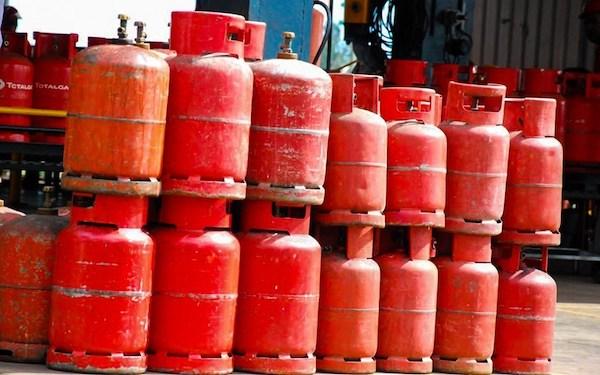
For many households, liquefied petroleum gas (LPG) promised a cleaner, safer alternative to firewood, charcoal and kerosene. That promise is fraying. A steep rise in the cost of refilling cylinders—reaching about N2,000 per kilogramme in some markets—has put LPG beyond the reach of millions already squeezed by inflation and falling real wages. Cooking fuel is an essential expense alongside food, transport, healthcare and education. When cylinder refills consume a substantial share of income, families, particularly low income ones, face brutal trade offs. Many have cut back on gas or abandoned it, reverting to polluting fuels. The predictable result is worsened respiratory illness among women and children, higher household air pollution and renewed pressure on forests as demand for firewood also climbs.
These consequences undermine long standing policy goals. Nigeria has promoted LPG to reduce deforestation and improve public health; unaffordability risks reversing years of progress and deepening hardship for ordinary citizens. Multiple factors explain the price surge: the Iran war has triggered global energy volatility, supply chain bottlenecks, limited domestic processing and storage, and high distribution costs across a vast country with weak transport infrastructure. There are also concerns about pricing opacity and anti competitive behaviour that transfer costs to consumers. Regulators must be vigilant and transparent. Policy responses should be pragmatic and targeted. First, government and industry must tackle supply chain inefficiencies by accelerating investment in storage terminals, regional distribution hubs and safer, more efficient bulk logistics. This will mitigate sharp price rises during temporary bursts of crises around the world. Shorter haul distances and better loading facilities will lower distribution costs.
Also, Nigeria should incentivise midstream investment so domestic processing and value addition increase. The country’s gas endowment should translate into affordable household supply through clearer investment incentives and predictable regulation that reduce project risk. Regulatory agencies should require and publish price components—supply costs, margins, logistics and taxes—so consumers understand what they pay. Stronger enforcement against collusion in transport and distribution will protect market competition. The poorest should be protected because they are the most vulnerable. Options include time limited, means tested vouchers, conditional cash transfers indexed to energy prices, or support for community bulk refill hubs that serve low income neighbourhoods and food vendors. Safe LPG use should be promoted while expanding formal refill networks to discourage dangerous, informal alternatives. Public education and improved cylinder safety standards are essential.
The cost of cooking gas is more than an energy issue because it also it affects public health, livelihoods and the environment. Small traders and food vendors already passing higher costs to consumers risk further inflationary pressure and loss of income. Nigeria’s gas resources ought to relieve citizens, not impose another burden. The challenge for policymakers is clear: act swiftly and transparently to ensure affordable access to clean cooking fuel.
The post Nigeria’s cooking gas crisis appeared first on Vanguard News.

 Premium TImes
 Business Day
 Daily Post
 Vanguard Nigeria
 Punch Nigeria
 Complete Sports
 This Day
 Channels TV