

Africa's Power Battles: Coups Rise, Debts Mount, and Nigeria's 2027 Election Heats Up
Africa faces tough choices in 2026. In Nigeria, leaders are already campaigning hard for the 2027 presidential vote, putting up posters in busy Lagos streets. At the same time, soldiers in the Sahel region, like Niger, Mali, and Burkina Faso, have taken power by force, ignoring West African leaders. Votes clash with guns across the continent. Will Nigeria's democracy remain strong, or will financial troubles and unrest erode it? Let's break it down step by step.
President Bola Tinubu wants to grow Nigeria's economy to $1 trillion by 2036. He has pushed reforms like removing fuel subsidies to save money and attract investors. But many Nigerians feel the pain. Inflation has surged to over 35%, making food and essential goods significantly more expensive. The naira now trades at about ₦1,600 to $1, cutting what people can buy. Youth unemployment sits at around 50%, and about 40 million children are out of school, mostly in the north. Groups like Arewa in the north criticize these moves by the Nigerian government as too sudden and harmful.
Political parties are shaking up. The ruling All Progressives Congress (APC) gains strength as big names switch sides, and former Kano Governor Abdullahi Ganduje eyes a Senate seat. The opposition Peoples Democratic Party (PDP) splits: Atiku Abubakar builds ties with labor unions and young voters, while Nyesom Wike strengthens his base in the Federal Capital Territory (FCT) for a possible vice president run.
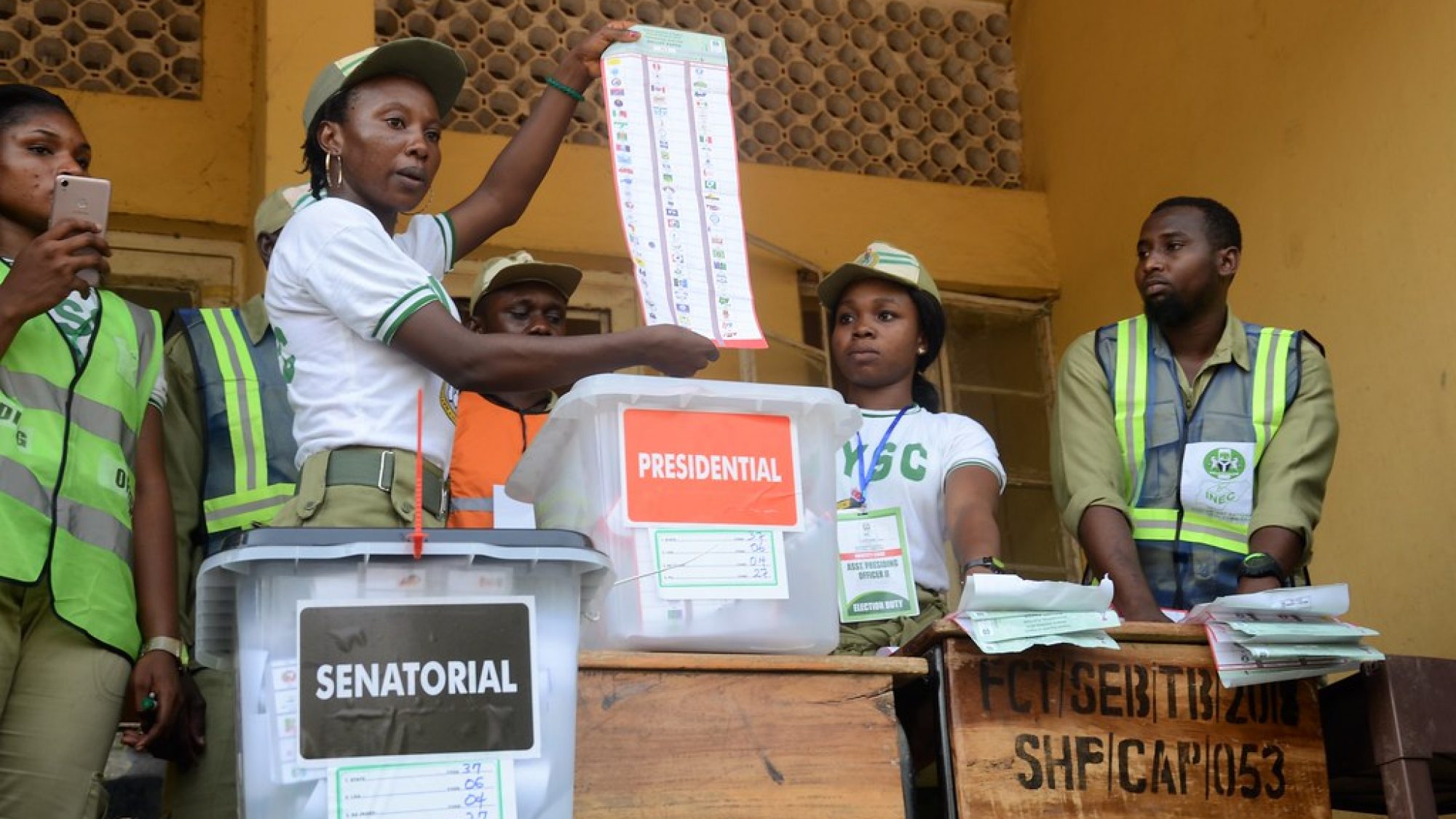
Elections this year test the system. The Independent National Electoral Commission (INEC) runs polls for FCT area councils in February and governor races in Ekiti and Osun in June. Watch for problems from 2023, like glitches in the BVAS voting machines and the IReV online results portal. Vote-buying and powerful influencers seen in recent Rivers State disputes could worsen things. If INEC fixes these, 2027 could be fair. If not, frustration might boil over, especially among digital-savvy youth who back figures like Peter Obi.
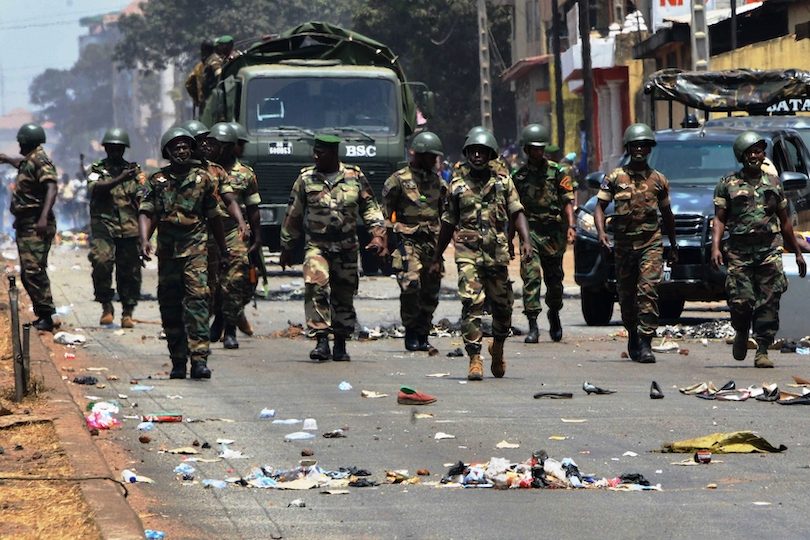
West Africa's Sahel zone leads a "junta alliance." Niger's General Abdourahamane Tchiani, Mali's Assimi Goïta, and Burkina Faso's Ibrahim Traoré defy ECOWAS sanctions. They created a gold-backed currency, courted Russia for help, and inspired copycats in Guinea and Gabon. This weakens regional trade and security.
Elsewhere, wars rage. In Sudan, clashes between the Rapid Support Forces (RSF) led by Mohamed Hamdan Dagalo (Hemedti) and the Sudanese Armed Forces (SAF) under Abdel Fattah Burhan have displaced over 10 million people. About 25 million people face hunger in the world's worst crisis. South Sudan sees President Salva Kiir favor family in oil jobs amid floods that wrecked 1 million homes and rising killings in Pibor.
East Africa struggles too. Ethiopia's Prime Minister Abiy Ahmed plans elections despite fallout from the Tigray war and Oromo unrest. Uganda's 81-year-old President Yoweri Museveni seeks a sixth term, facing youth protests in Kampala over corruption. Somalia fights al-Shabaab attacks after African Union troops pulled back.
These fights link to Nigeria's story. Sahel coups show what happens when leaders ignore people—could Nigeria's youth anger lead there if 2027 fails?
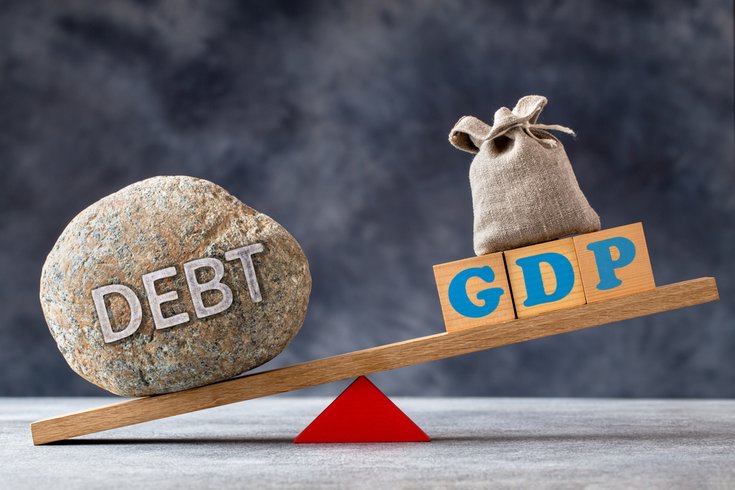
Money woes hit hard. In Nigeria, debt payments eat over 100% of government revenue in the ₦13 trillion 2026 budget. Angola suffers from falling oil prices, and Ethiopia's Grand Renaissance Dam faces delays and disputes. These strains limit funds for schools, roads, and jobs.
Bad weather makes it worse. The Sahel got 40% less rain, sparking fights between farmers and herders over dry land. East Africa's Cyclone Fedai has flooded areas, displacing an estimated 2 million people. This blocks the African Union's Agenda 2063 goal of 24% growth by mid-century.
Outside powers add pressure. A possible Trump return in 2027 could slap 20% tariffs on African exports under AGOA, hurting trade. China's BRICS invites promising loans but often ties Africa in debt. Bright spots exist: Kenya's youth protests forced President William Ruto to cut spending by $1 billion, inspiring Tanzania. The East African Community's single tourist visa boosted visitors by 15%.

It seems at this moment, Africa stands at a crossroads. Debts, coups, and climate shocks threaten progress. Nigeria's 2027 race pits old elites against young digital voters. Success here could inspire the continent, proving elections beat rifles. Failure, with INEC flaws or ignored crimes, might spark unrest like the Sahel.
Who wins in 2027? Tinubu's reforms for a second term? Wike's surprise VP play? Peter Obi's youth comeback? Or Atiku's northern grip? Nigeria's vote could set Africa's tone.
What do you think will happen? Share your take.


