

Lagos School Building Collapse: Narrow Escape Sparks Africa Infrastructure Crisis Debate
A school building collapsed in Lagos recently.
Fortunately, pupils and teachers had been evacuated just minutes before the structure gave way. What could have been a national tragedy turned into a narrow escape.
But this incident is about more than one building.
Across Africa, infrastructure failures are rarely just technical problems. They are signals. Signals about governance, regulation, urban growth, and how societies manage rapid development.
In Nigeria, building collapses have become a disturbingly familiar feature of the news. Aging structures, weak enforcement of building codes, and informal construction practices often combine to create risk that communities only recognize when something goes wrong.
Yet Nigeria is not alone.
In countries such as Kenya, Ghana, and South Africa, similar incidents have prompted public debates about construction standards, urban planning, and the responsibilities of regulators and developers.
The pattern is revealing.
Africa is urbanizing faster than many of its institutions can adapt. Cities are expanding, populations are rising, and the demand for housing, schools, and commercial spaces is accelerating. When regulation and oversight fail to keep pace with this growth, infrastructure becomes fragile.
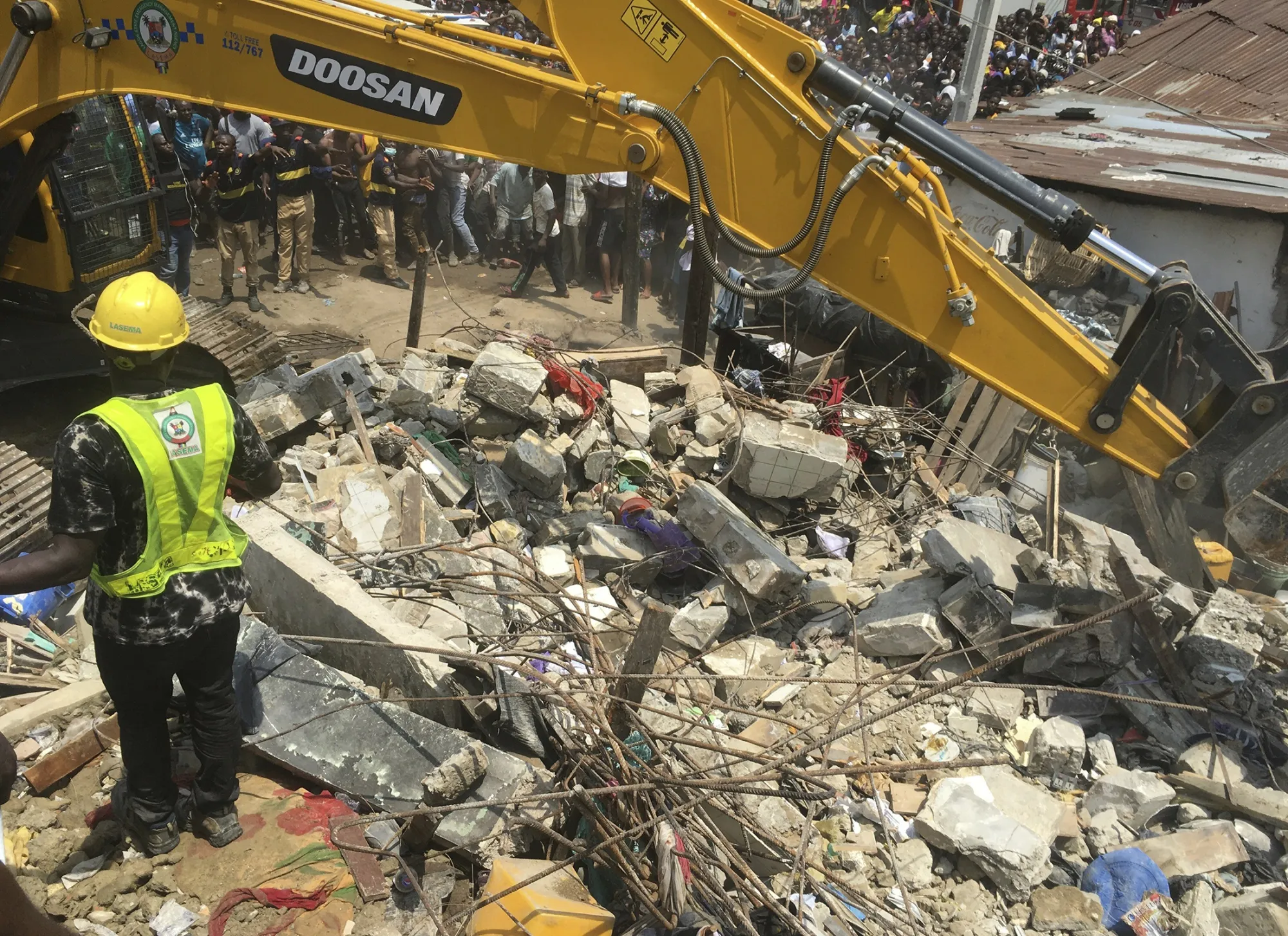
Schools collapsing are especially symbolic.
A classroom is supposed to represent safety, learning, and the future of a society. When that space becomes unsafe, it raises difficult questions about how seriously a country is investing in the next generation.
The Lagos incident should therefore not be treated as an isolated event. It is part of a larger continental conversation about infrastructure accountability.
What standards do we enforce?
Who is responsible when those standards are ignored?
And how do African cities build fast without compromising safety?
For policymakers, urban planners, and investors across the continent, these questions are no longer theoretical. They are urgent.
Africa's cities will continue to grow. Yet, the real question is whether the systems around them will grow just as quickly.
Stories like this matter because they remind us that infrastructure is not just concrete and steel. It is trust.
When a building stands, people feel safe.
When it collapses, confidence collapses with it.


